


 English
 中文简体
中文简体 Español
 عربى
عربىNoticias
INICIO / Noticias / Noticias de la industria / How to Identify and Avoid Counterfeit Electronic Connectors: A Supply Chain Risk Prevention Guide
The electronics sector is constantly developing, which, unfortunately, brings about the problem of counterfeit connectors. Counterfeit connectors are dangerous since they may lead to notable financial losses and significant disruptions. That is why it is vital to know how to spot and prevent the use of counterfeit connectors.
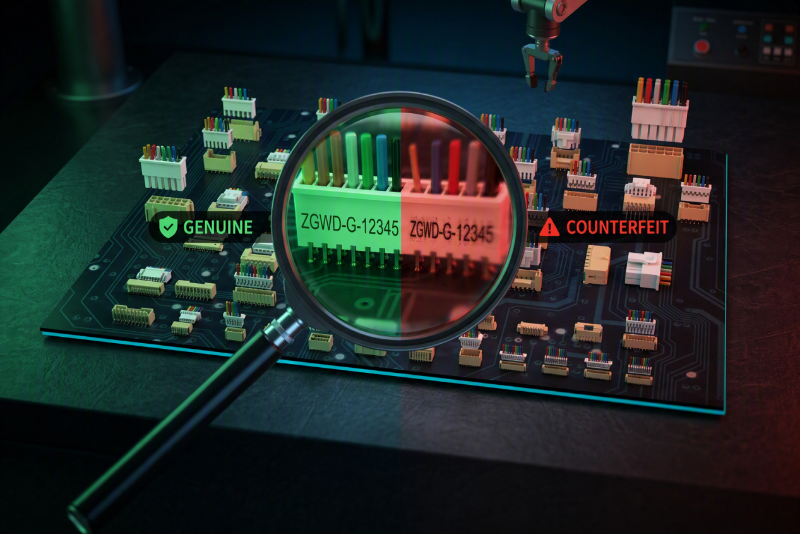
It can be tricky to understand whether the connector is real or fake. These are some useful methods for identifying bogus electronic connectors:
1. Visual Inspection: Examine the connector very carefully. You need to check the logos, brands, and labels of the product for any discrepancies. Many counterfeit products feature flawed print quality or omitting logos entirely.
2. Physical Characteristics: Notice the differences in size, weight and color. Authentic connectors are made under stringent standards while fake connectors may not conform to such standards.
3. Connector Authentication Methods: Manufacturers might utilize certain authentication technologies, like holograms or QR codes, which can assist in verifying authenticity.
Certain businesses are targeted more often by counterfeiters than others. For instance, companies such as Molex, TE Connectivity, and JST are the widely counterfeited. Learning about the threats involved with these brands leads to increased awareness when it comes to sourcing products.
The effects of utilizing a fake connector can be grave. The usage of counterfeit connectors may result in product breakdowns, safety threats as well as extended downtime. Thus, this can ruin the reputation of your company and cause substantial monetary losses.
Testing techniques may offer added assurance when working with parts. Some of the common methods to check are:
- Electrical testing to verify performance under specified conditions.
- X-ray analysis to inspect internal structures.
- Microsection analysis to look for quality variations in material composition.
Fake connectors break into the supply chain through rogue distributors. These individuals can claim to sell valid components at prices lower than they should be.
In order to achieve the goal of avoiding counterfeit connectors to your business, it is important to put in place the concept of traceability in the supply chain. You can provide quality and authenticity of your supplies if you have clear records and know how the components purchased have been produced.
Selecting between legitimate suppliers and gray market vendors can be a challenge. While gray market options may be attractive because of their cheaper pricing, they frequently come with higher risks. Legitimate vendors will always provide documents which certify product authenticity, hence protecting your business from counterfeit electronic components.
How can I tell if a connector is counterfeit or genuine?
Always choose visual inspections, validate with authentication techniques, and buy from trustworthy vendors.
What documentation should a genuine connector supplier provide?
They should provide certificates of authenticity, data sheets, and appropriate warranties.
Should I buy connectors from unauthorized distributors to save money?
Although, in the short term, it can help save money, there are various long-term risks associated with counterfeit products that make them much more expensive.
To sum up, knowing how to spot fake electronic connectors is not just an advantage, but a necessity if you want to keep your operations safe. Adopting strict testing procedures, working with verified suppliers, and having good traceability in the supply chain will allow companies to cut down the risks arising from non-genuine products.
Derecho de Autor © Zhejiang Wenda Electronics Co., Ltd. Todos los Derechos Reservados


